Tiletamine - Powerful Anesthetic and Sedative
€190 - €170

Showing 1 - 10 of 10 Products
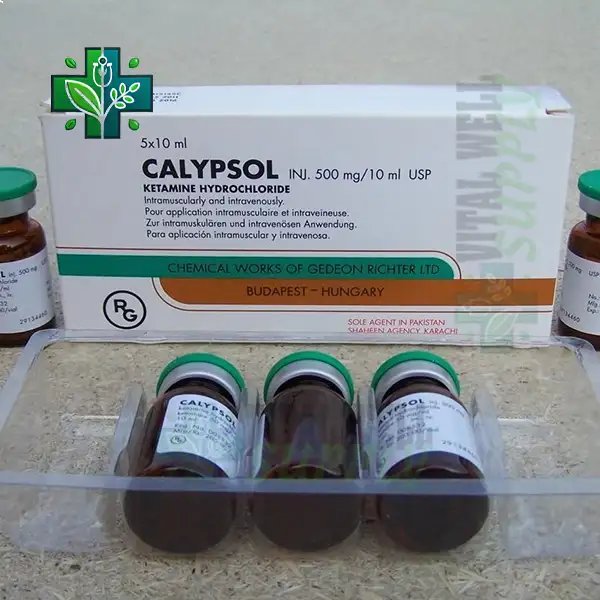
Ketamine is a prescription medication primarily used as a dissociative anesthetic for inducing and maintaining anesthesia during surgical and diagnostic procedures. It has been used safely in hospitals and emergency medicine for decades because it provides pain relief, sedation, and anesthesia while generally preserving breathing and protective airway reflexes.
In recent years, ketamine has also gained attention for its use in carefully supervised clinical settings to treat certain mental health conditions, including treatment-resistant depression. However, these treatments should only be administered under the supervision of qualified healthcare professionals.
Ketamine is commonly prescribed or administered for several medical purposes, including:
Induction and maintenance of general anesthesia
Sedation during short surgical or diagnostic procedures
Pain management in selected clinical situations
Emergency medicine and trauma care
Treatment-resistant depression under specialized medical supervision
Certain chronic pain conditions when recommended by a healthcare provider
Because ketamine has powerful effects on the brain and central nervous system, it should only be used as directed by a licensed healthcare professional.
Ketamine works primarily by blocking N-methyl-D-aspartate (NMDA) receptors in the brain. These receptors play an important role in pain perception, learning, memory, and mood regulation.
By reducing NMDA receptor activity, ketamine produces anesthesia, pain relief, and sedation. Research has also shown that its effects on glutamate signaling may contribute to its rapid antidepressant effects in carefully selected patients receiving supervised treatment.
Before receiving ketamine, inform your healthcare provider about your complete medical history and any medications or supplements you are currently taking.
Be sure to tell your doctor if you:
Are pregnant, planning to become pregnant, or breastfeeding
Have allergies to medications or other substances
Have high blood pressure or heart disease
Have experienced a stroke or brain injury
Have increased pressure inside the eye or skull
Have liver or kidney disease
Have bladder or urinary tract problems
Have thyroid disorders
Have a history of mental health conditions or substance use disorders
Take prescription medications, over-the-counter medicines, vitamins, or herbal supplements
Providing accurate medical information helps your healthcare provider determine whether ketamine is appropriate for you.
Ketamine may not be suitable for everyone.
Your healthcare provider may advise against its use if you:
Have a known allergy to ketamine or any of its ingredients
Have uncontrolled high blood pressure
Have conditions where elevated blood pressure could pose a serious health risk
Take medications that may interact with ketamine
Have certain cardiovascular or neurological conditions
Only a healthcare professional can determine whether ketamine is safe based on your individual medical history.
Ketamine is typically administered by trained medical professionals in hospitals, surgical centers, clinics, or other healthcare settings.
Depending on the treatment, it may be given:
Intravenously (IV)
Intramuscularly (IM)
Through other approved medical routes when clinically appropriate
The dosage varies depending on factors such as age, body weight, overall health, and the medical condition being treated.
Never attempt to use ketamine outside of medical supervision unless specifically instructed by a licensed healthcare provider.
Like all medications, ketamine can cause side effects. Common side effects may include:
Drowsiness
Dizziness
Blurred or double vision
Nausea and vomiting
Increased blood pressure
Increased heart rate
Confusion
Vivid dreams or hallucinations
Temporary changes in perception
Most short-term effects occur during or shortly after treatment and generally resolve as the medication wears off.
Seek immediate medical attention if you experience severe allergic reactions, chest pain, difficulty breathing, prolonged confusion, or other serious symptoms.
While receiving ketamine treatment:
Avoid driving or operating machinery until your healthcare provider confirms it is safe to do so.
Do not consume alcohol unless your healthcare provider advises otherwise.
Inform your doctor or dentist before any medical or dental procedures.
Follow all post-treatment instructions provided by your healthcare team.
Keep all follow-up appointments to monitor your recovery.
Older adults and individuals with certain medical conditions may require closer monitoring during treatment.
If you are pregnant, planning to become pregnant, or breastfeeding, discuss the potential risks and benefits of ketamine with your healthcare provider.
Ketamine should only be used during pregnancy or while breastfeeding when the potential benefits clearly outweigh the potential risks, as determined by a qualified medical professional.
If ketamine has been prescribed for use outside of a healthcare facility, store it exactly as instructed by your healthcare provider or pharmacist.
Keep it out of the reach of children and pets.
Do not use medication that appears cloudy, discolored, or damaged.
Dispose of needles, syringes, and other medical supplies safely according to local regulations.
Never share prescription medication with another person.
Ketamine is a prescription medication that should only be used under the supervision of a licensed healthcare professional. This information is intended for educational purposes only and should not replace professional medical advice, diagnosis, or treatment. Always follow your healthcare provider's recommendations regarding the safe and appropriate use of ketamine.